Title: 10 Critical Signs of a Hidden Pipe Leak in Your Home (and How to Detect Them Early in Singapore)

A concealed pipe leak causing water stains and damage to the wall surface.
Introduction
In Singapore’s tropical climate, hidden pipe leaks pose a silent but serious threat to homes and buildings. Moisture from undetected leaks can lead to mold growth, structural damage, and even health issues. Unlike obvious leaks with visible drips or puddles, hidden pipe leaks often go unnoticed until they cause costly problems. As a homeowner, recognizing the early warning signs is crucial for timely intervention. This comprehensive guide will explore the key indicators of hidden leaks, practical detection methods, and expert tips tailored to Singapore’s unique environment.
1. Unexplained Moisture or Water Stains on Walls/Ceilings
One of the most common signs of a hidden pipe leak is the appearance of damp patches, yellowish stains, or peeling paint on walls or ceilings. These stains may expand over time and feel soft or spongy to the touch.
- What causes it? Leaks in supply lines, drain pipes, or roof gutters can seep through plaster or drywall, creating visible moisture marks. In Singapore’s high humidity, condensation can sometimes mimic leaks, so it’s essential to differentiate between the two (see FQA below).
- Where to check? Focus on areas near plumbing fixtures: kitchens, bathrooms, laundry rooms, and beneath sinks. Look for stains near water heaters or air conditioning units, as these are common leak spots.
- Action step: If stains persist after drying, use a moisture meter to test the wall’s humidity level. A reading above 20% indicates a potential leak.
2. Mold or Mildew Growth
Singapore’s warm, humid climate provides ideal conditions for mold growth, often fueled by hidden water leaks.
- What to look for? Black, green, or white fuzzy patches on walls, floors, or ceilings, especially in enclosed spaces like cabinets or under sinks. Mold may emit a musty odor, even if the source is hidden.
- Health risks: Mold exposure can cause allergies, respiratory issues, or asthma attacks, making prompt detection critical.
- Detection tip: Use a flashlight to inspect dark corners and behind furniture. If mold recurs after cleaning, a hidden leak is likely the cause.
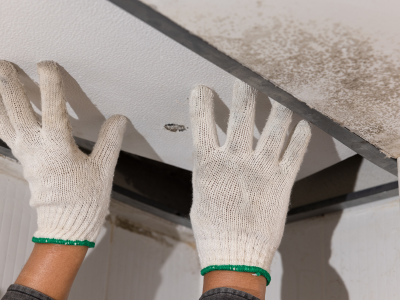
Mold and mildew forming on walls from poor ventilation or hidden leaks.
3. Increased Water Bills Without Explanation
A sudden spike in your water bill without changes in usage is a red flag for hidden water leaks.
How to check? Perform a simple “toilet test”: add food coloring to your toilet tank and wait 15 minutes. If color appears in the bowl, you have a tank leak. For larger leaks, turn off all water appliances and check if your water meter continues to run.
- Singapore-specific note: With water tariffs on the rise, undetected leaks can waste hundreds of liters of water monthly, impacting both your wallet and sustainability goals.
4. Strange Noises in Pipes
Unusual sounds from your plumbing system may indicate hidden leaks.
- Common noises:
- Hissing or whistling: Pressure escaping from a small leak in a supply line.
- Banging or clanging (water hammer): Caused by sudden pressure changes due to leaks or faulty valves.
- Where to listen? Focus on walls or floors near pipes, especially after turning off appliances like washing machines or showers.
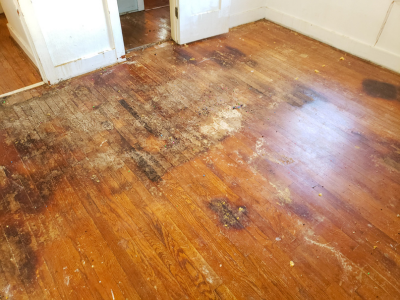
Concealed water leaks can lead to warped or sagging floors over time.
5. Warped or Sagging Flooring
Wooden floors, laminate, or tiles that feel “spongy,” buckle, or sag may signal a hidden leak beneath.
- Why does this happen? Moisture from leaks weakens floor joists and subflooring, leading to structural damage. In Singapore’s condos and HDB flats, this is common in bathrooms or kitchens with tiled floors.
- Check for soft spots: Walk across the floor and note any areas that dip or feel unstable.
10 Key Signs of a Hidden Pipe Leak
6. Low Water Pressure
A gradual drop in water pressure can indicate a leak in the main supply line or a burst pipe.
How to test? Use a pressure gauge to measure water pressure at a faucet (normal range: 40–80 psi). If it’s consistently low, inspect outdoor pipes or call a plumber for a leak detection survey.
- Caution: Ignoring low pressure can lead to increased energy costs (as pumps work harder) and further pipe deterioration.
7. Moldy or Rotting Odors
A persistent “earthy” or rotting smell, especially in enclosed spaces like closets or basements, often signals hidden moisture from leaks.
- What to do? Follow the odor trail—use a handheld moisture detector to scan walls, floors, and ceilings. In Singapore’s tropical climate, these smells can intensify quickly, so act fast.
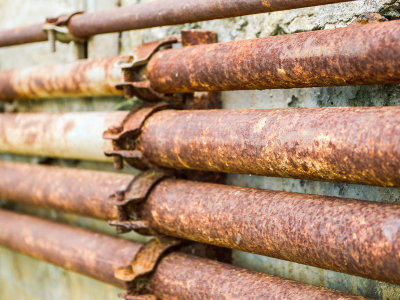
Corroded pipes can indicate aging infrastructure and potential leaks.
8. Visible Pipe Corrosion or Rust
Exposed pipes (e.g., under sinks, in utility rooms, or near water heaters) that show rust, greenish deposits, or flaking metal are at risk of leaking.
- Why does this happen? Corrosion weakens pipe material, leading to cracks or bursts. In Singapore, chlorine in tap water and high humidity accelerate this process.
- Prevention tip: Regularly inspect metal pipes (copper, galvanized steel) for signs of wear and apply rust inhibitors if needed.
9. Wet or Boggy Areas in Your Yard (for Homes with Gardens)
For landed properties in Singapore, a soggy lawn, pooling water, or unusually green patches that aren’t from irrigation may indicate a broken underground pipe.
- Check your irrigation system first: Turn off sprinklers and monitor the area. If wetness persists, it’s likely a sewer or water main leak.
- Professional help needed: Underground leaks require specialized equipment like ground-penetrating radar or acoustic sensors for detection.
10. Mildew on Insulation or Wallpaper
Peeling wallpaper or damp, discolored insulation in attics, crawl spaces, or behind furniture can signal hidden leaks.
- Singapore’s condo owners take note: Balcony pipes or air conditioning condensate lines often leak into wall cavities, damaging insulation and finishes.
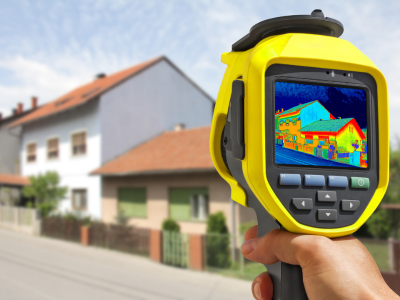
Using infrared imaging to detect hidden issues like leaks, electrical faults, or insulation problems.
How to Detect Hidden Pipe Leaks in Singapore
DIY Detection Methods
- Use a Moisture Meter: Affordable handheld devices ($30–$100) can measure wall/floor moisture levels.
- Check for Mold: Regularly inspect high-humidity areas like bathrooms and kitchens.
- Monitor Water Meter: Perform the “silent test” by turning off all water sources and checking if the meter moves.
Professional Leak Detection Services
In Singapore, certified plumbers use advanced techniques like:
- Infrared Thermography: Detects temperature differences caused by moisture.
- Acoustic Leak Detection: Microphones or ground microphones locate leaks by sound.
- Video Pipe Inspections: Cameras inserted into pipes identify cracks or blockages.
When to call a pro? If DIY methods fail, or if you suspect leaks in concrete slabs, behind walls, or in complex HDB/condo plumbing systems.
FQA (Frequently Asked Questions)
Q1: How can I tell if a stain is from condensation or a leak?
- Condensation: Usually appears on cold surfaces (e.g., AC ducts, cold water pipes) and evaporates quickly.
- Leak: Moisture persists, spreads, or is accompanied by mold or soft walls. Use a moisture meter for accuracy.
Q2: Can I fix a hidden pipe leak myself?
- Minor leaks (e.g., dripping faucet): Yes, with DIY kits.
- Major leaks (e.g., burst pipes, slab leaks): Always hire a licensed plumber in Singapore to avoid legal issues (HDB requires approved contractors for major repairs) and ensure proper workmanship.
Q3: How much does professional leak detection cost in Singapore?
- Basic inspections: $100–$300.
- Advanced methods (e.g., infrared, video): $500–$1000++, depending on property size.
Q4: How can I prevent hidden pipe leaks?
- Annual plumbing checks: Engage a plumber to inspect pipes, valves, and seals.
- Install leak detectors: Smart devices (e.g., Flo by Moen) alert you to unusual water flow.
- Address high humidity: Use dehumidifiers in closets and storage areas to reduce condensation.
Conclusion
In Singapore’s climate, vigilance is key to preventing hidden pipe leaks from becoming costly disasters. By recognizing signs like mold, water stains, and unusual noises, and acting promptly with DIY checks or professional services, you can protect your home and family. Remember: early detection saves money, minimizes damage, and ensures your home remains a safe, dry haven in Singapore’s tropical environment.
Call to action: If you suspect a hidden leak, don’t delay—contact Us today.