5 Signs Your Commercial Property Needs a Professional Plumber in Singapore
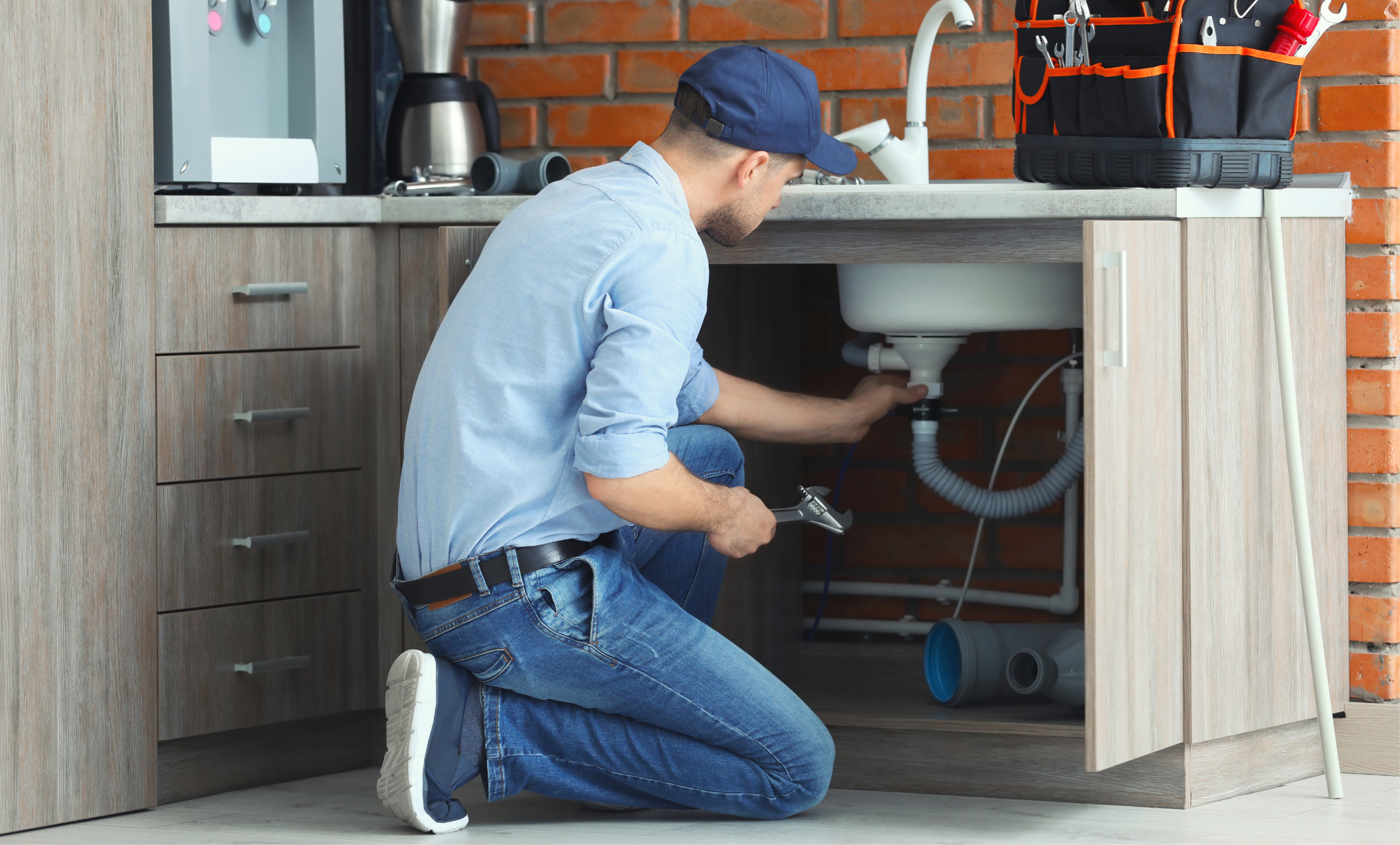
A commercial plumber handles the piping, drainage, and water heating systems that keep a business running, and most property managers only call one once something has already gone wrong. By the time a pipe bursts or a drain backs up in front of customers, the underlying problem has usually been building for weeks. The five signs below are the ones that show up earliest, well before a plumbing issue turns into a closure or an emergency repair bill.
Restaurants, offices, retail units, and factories all put more strain on plumbing than a typical home, since more people use the same fixtures every day. That means small issues surface faster in a commercial property, but it also means they are usually easier to catch early if you know what to look for.
1. Blockages Keep Coming Back in the Same Spot
A single choked drain is normal wear and tear. A drain, floor trap, or toilet that blocks again within weeks of being cleared, though, usually means the problem sits further down the line rather than at the fixture itself.
Grease buildup in kitchen lines, tree root intrusion, or a partial collapse in an ageing pipe run are the most common causes behind repeat blockages in commercial properties.
2. Water Pressure Has Dropped Across the Whole Property
A single low-pressure tap is often just a clogged aerator, and it is not worth reading into. A property-wide drop across multiple taps, floors, or fixtures, especially if it happened gradually rather than overnight, is a different problem altogether, and usually points to a supply-line issue rather than anything at the tap itself.
What Usually Causes This
Corroded or narrowing supply pipes, a failing booster pump, or sediment buildup inside older piping are the most frequent causes in commercial buildings, particularly ones over fifteen years old. A commercial plumber can pressure-test the system to identify exactly where the drop is happening before recommending a fix.
3. Water Heaters Cannot Keep Up With Demand
Offices, salons, and food and beverage outlets place heavy, simultaneous demand on hot water systems, and a unit that was adequate at a smaller scale often falls short as a business grows. Guests or staff noticing lukewarm water during peak hours, or a unit that takes noticeably longer to recover between uses, is usually a sizing or ageing-equipment issue rather than a one-off fault.
4. Water Bills Are Rising Without an Obvious Reason
A steady, unexplained climb in the water bill, with no change in staff headcount or business activity, is one of the clearest signs of a hidden leak. Concealed leaks inside walls, under slabs, or behind fixtures can run for months before any visible sign appears, quietly adding to the bill the entire time.
A few checks worth running before assuming the worst can help confirm whether this is really a leak issue. None of them need special equipment, just a bit of time and attention across a couple of billing cycles.
Compare the last three to six months of water bills against the same period last year, looking for a gradual upward trend rather than a one-off spike.
Check the property's water meter late at night when no fixtures are in use; if it is still moving, water is escaping somewhere in the system.
Look for damp patches, discoloured ceiling tiles, or a musty smell in enclosed areas such as service risers and storerooms.
Ask staff whether any single area of the property feels warmer, damper, or smells different than usual, since they often notice these changes before management does.
5. Ageing Pipework Has Never Been Assessed

Commercial properties built more than fifteen to twenty years ago often still run on their original pipework, and materials from that era corrode, narrow, and weaken well before most other building systems show their age.
If nobody has assessed the condition of the supply and drainage lines since the property was built or last renovated, that alone is a sign worth acting on, even without an active fault yet.
Older pipework does not necessarily need full replacement. A proper assessment identifies which sections are still sound and which are close to failing, so any work that is scheduled targets the parts of the system that actually need it.
Why Address These Early
Each of the signs above is manageable on its own terms when caught early, but the same faults become disruptive and far more expensive once they force an emergency shutdown of a bathroom, kitchen, or entire floor. A business that loses working toilets or a commercial kitchen sink mid-service faces lost trade on top of the repair cost itself.
For issues that cannot wait for a scheduled visit, such as active leaks or a total loss of water pressure, Active Plumbing's emergency plumber service covers same-day callouts across Singapore. Getting a fault assessed the same day it appears is usually what keeps a manageable repair from turning into a shutdown.
How Active Plumbing Supports Commercial Properties
Our plumbers assess commercial sites as a whole system rather than fixture by fixture, since a blockage, a pressure drop, and a rising water bill are often symptoms of the same underlying issue rather than three separate problems. That approach is what lets a single visit turn into a clear list of what needs fixing now and what can be scheduled later.
Whether you manage a single retail unit or a multi-floor commercial building, Active Plumbing works across Singapore's commercial properties with the same diagnostic approach described above.
Frequently Asked Questions
Most commercial properties benefit from a full plumbing assessment every two to three years, or sooner if the building is over fifteen years old or has a history of recurring faults. Kitchens and high-traffic bathrooms often warrant more frequent checks given the extra strain placed on their fixtures.
Yes, a commercial plumber works with larger-scale systems, higher-capacity fixtures, and compliance requirements that residential jobs do not usually involve, such as grease trap servicing or multi-floor drainage networks. The underlying trade skills overlap, but the scale and regulations differ enough that experience with commercial sites specifically matters.
Grease buildup in kitchen drainage lines is the most common cause in food and beverage properties, while root intrusion and ageing pipe joints are more typical in older buildings generally. A camera inspection is usually the fastest way to confirm which applies to a specific line.
Yes, a concealed leak that runs continuously, even at a slow drip, adds up over weeks and months, and commercial properties with larger pipe networks tend to have more places for a leak to hide. This is why a steady, unexplained rise in the bill is treated as a leak indicator rather than dismissed as normal fluctuation.
In most cases, a staged approach based on a proper assessment works better than a full replacement, since it targets the sections that are actually failing rather than disturbing parts of the system that are still sound. A plumber can map out which sections need attention first based on material, age, and condition.
An active leak needs an emergency callout rather than a scheduled appointment, since ongoing water damage tends to get more expensive the longer it runs. Shutting off the water supply at the main isolation valve, where it can be reached safely, is a reasonable first step while help is on the way.