Shower Screen Drain Blocked? Quick Fixes and When to Call a Plumber
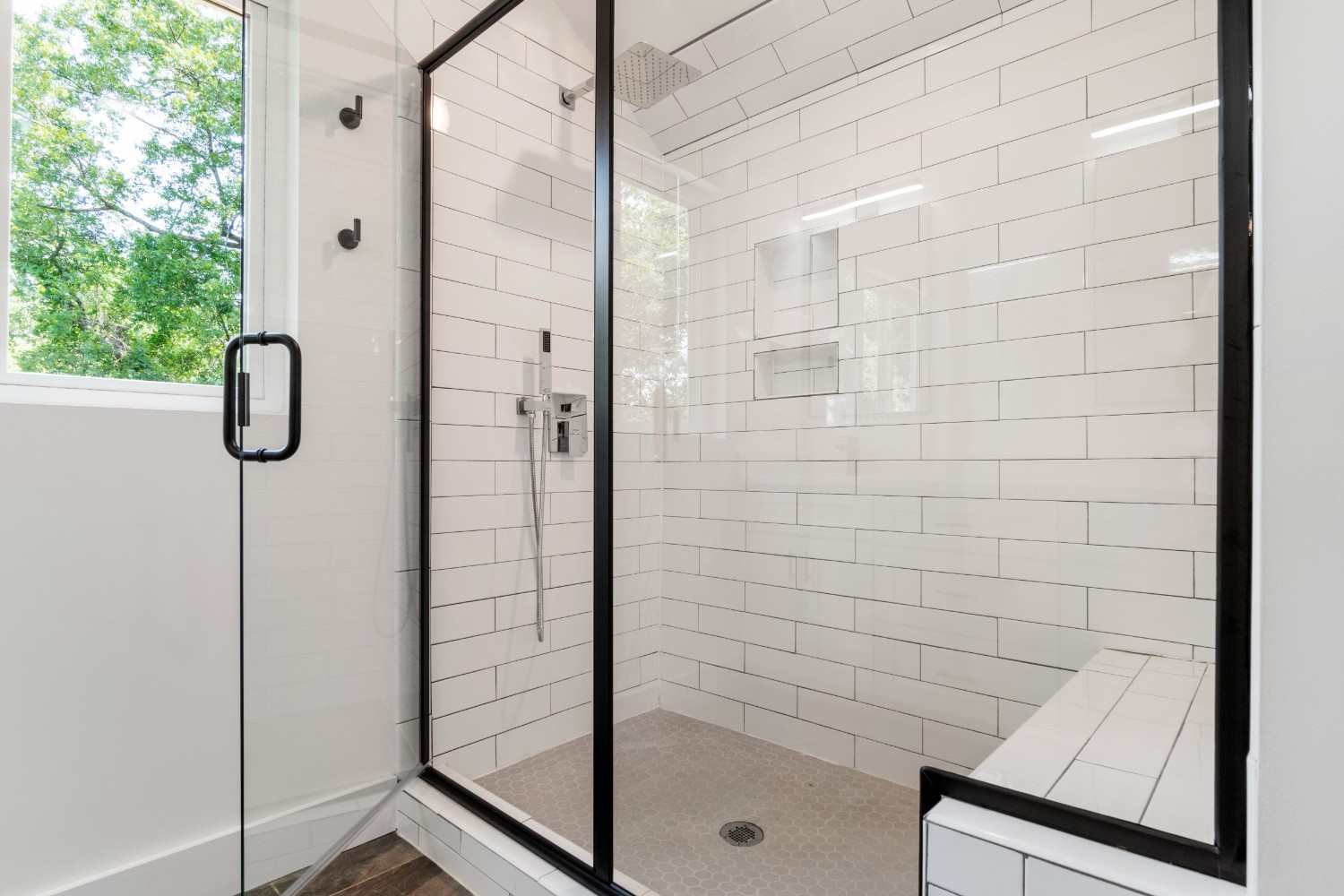
If your shower screen drain is blocked, water pooling around your feet is usually the first sign something's wrong. In most homes, the culprit is a build-up of hair and soap scum sitting in the trap or grate, slowly narrowing the pipe until water can barely get through.
The good news is that a shower screen chokage doesn't always need a plumber straight away. There are a few safe DIY steps you can try first. But there are also warning signs that mean it's time to stop poking around and book a professional instead.
This guide walks you through both, so you know exactly what to do the next time your shower drain starts backing up.
Why Shower Screen Drains Get Blocked
Shower screens create an enclosed, damp space, which makes them more prone to chokage than open bathroom floors. A few things tend to cause this over time:
Hair strands wrapping around the drain grate or catching in the trap
Soap scum and shampoo residue building up along the pipe walls
Mineral deposits from hard water narrowing the pipe over time
Small objects (bottle caps, razor guards, jewellery) slipping into the drain
Poor original installation, where the pipe slope or trap size wasn't done correctly
Hair and soap scum are by far the most common combination. Soap scum acts almost like glue, trapping loose hair and skin cells until they form a solid clump inside the pipe. If you've noticed water draining slower over several weeks rather than all at once, this gradual build-up is usually why.
For a deeper look at what causes chokage in shower screens specifically, learn more about shower screen chokage.
Signs Your Shower Drain Is Blocked (Not Just Slow)
Before reaching for a plunger, it helps to know what you're dealing with. Common signs include:
Water pooling around your ankles during a shower
A gurgling sound coming from the drain
A musty or sour smell rising from the grate
Water draining, but much slower than usual
Water backing up from a nearby floor trap when the shower runs
If you're only seeing slow drainage with no smell or gurgling, it's likely an early-stage chokage.
If you're getting gurgling sounds, bad odours, or water rising from other drains in the bathroom, the blockage may already be deeper in the pipework.
DIY Fixes to Try Before Calling a Plumber
If the blockage seems minor, these steps are safe to try yourself with basic household tools. Work through them in order.
1. Remove and Clean the Drain Cover
Most of the clog sits right at the surface. Unscrew or lift out the drain cover (a small screwdriver usually does the job) and clear away any visible hair, grime, or debris by hand. Rinse the cover under running water before putting it back.
2. Pull Out Hair With a Drain Snake or Wire
A plastic drain snake (sometimes called a zip tool) or a straightened wire coat hanger with a small hook at the end can pull out hair clumps sitting just below the grate. Insert it a short distance, twist gently, and pull back out. Don't force it too far down, as this can push debris deeper instead of removing it.
3. Flush With Hot Water
Boil a kettle and pour the hot water down the drain in stages, waiting 30 seconds between pours. This helps soften soap scum so it flows through rather than sitting in the pipe. Avoid this step if you have PVC pipes rated for lower temperatures, as very hot water poured too quickly can occasionally soften joints. If your shower consistently runs cold or fails to produce enough hot water, you may be dealing with a water heater problem rather than an issue with your drain. Having the heater inspected can help identify the cause and restore a reliable hot water supply.
4. Try Baking Soda and Vinegar
Pour half a cup of baking soda down the drain, followed by half a cup of white vinegar. Let the mixture fizz for 10 to 15 minutes, then flush with hot water. This natural combination can help break down soap scum without the harsh chemicals found in commercial drain cleaners.
5. Use a Plunger Carefully
A small cup plunger can work on shower drains, but shower screens often have shallow basins, so you'll need enough water covering the drain to create suction. Cover any overflow holes with a wet cloth first, then plunge in short, firm bursts rather than one hard push.
6. Try an Enzyme-Based Drain Cleaner
If the steps above only partially clear the blockage, an enzyme or bacterial drain cleaner (available at most hardware stores in Singapore) can help break down remaining organic build-up over a few days. These are gentler on pipes than caustic chemical cleaners and are worth trying before escalating further.
When to Stop and Call a Plumber

DIY methods work well for surface-level clogs, but some situations call for a professional straight away. Book a plumber if you notice:
The blockage returns within days of clearing it yourself
Water backs up from other drains or the toilet gurgles when the shower runs
Bad smells persist even after cleaning
None of the DIY methods above make any difference
You suspect the trap or pipe was installed incorrectly
There's visible water damage, staining, or dampness around the shower screen base
Repeated or worsening blockages usually point to a problem further down the pipe, such as a build-up that DIY tools can't reach, a poorly sloped pipe, or a partial pipe collapse.
Trying to force a stubborn clog yourself can sometimes damage the trap or seal, turning a simple chokage into a leak.
If you're already at this stage, it's worth arranging a plumbing service in singapore that can inspect the drain properly, rather than repeating DIY steps that aren't working.
How Professionals Clear a Stubborn Shower Screen Chokage
When DIY steps don't resolve the blockage, a plumber has tools and methods that go beyond what's available at home:
Drain rodding or motorised augers to break through blockages further down the pipe than a household snake can reach
High-pressure water jetting to clear compacted soap scum and mineral build-up from pipe walls
CCTV drain inspection to identify exactly where and why the blockage keeps recurring
Trap and pipe assessment to check whether the original installation is contributing to repeat chokages
This is also when underlying issues, like an incorrectly sloped pipe or an undersized trap, get identified and fixed properly, rather than just cleared temporarily.
How to Prevent Future Shower Screen Chokage
Once your drain is flowing freely again, a few habits can keep it that way:
Fit a hair-catching drain cover or mesh strainer, and clean it weekly
Wipe down the shower screen and drain area after use to reduce soap scum build-up
Flush the drain with hot water once a week as routine maintenance
Avoid letting long hair or shaving debris go straight down the drain
Schedule a professional drain clean every 6 to 12 months if your household showers frequently
Small, consistent habits go a lot further than a single deep clean, especially in households with more than one person showering daily.
Final Thoughts
A blocked shower screen drain is usually just hair and soap scum doing what they do over time, and most cases clear up with a bit of hands-on effort. But if the blockage keeps coming back, or nothing you try makes a difference, it's a sign the issue sits deeper in the pipework than DIY tools can reach.
At that point, don't keep guessing. Contact us, and we'll get your shower drain properly inspected and cleared, so you're not dealing with the same chokage again next month.
Frequently Asked Questions
This usually means the blockage isn't fully cleared, just pushed further down the pipe. Recurring chokage often points to a deeper build-up of soap scum and hair that DIY tools can't reach, or a pipe that wasn't sloped correctly during installation. A professional drain clean or CCTV inspection can confirm the actual cause.
Chemical cleaners can work, but frequent use may damage rubber seals, plastic traps, or older pipework over time. Enzyme-based or bacterial cleaners are a gentler alternative for regular maintenance, while harsh chemical options are best kept for occasional, stubborn clogs rather than routine use.
Hot water, followed by a baking soda and vinegar mixture, is a safe first step for most soap scum and hair build-up. Let it sit for 10 to 15 minutes before flushing with more hot water. Avoid mixing different chemical drain cleaners together, as this can create harmful fumes.
If water pools for more than a few minutes, drains slower each day, or you hear gurgling from nearby drains or the toilet, the blockage is likely more than surface-level. These signs suggest the clog has moved further into the pipework and DIY methods may not fully clear it.
Cost depends on how severe the blockage is and what caused it. A straightforward clean-out is generally affordable, while jobs involving pipe jetting, CCTV inspection, or trap replacement cost more due to the extra time and equipment involved. It's best to get an actual assessment rather than estimate blind, since pricing varies by unit type and blockage severity.