Dripping Tap? How to Fix a Leaking Faucet Before It Wastes Money
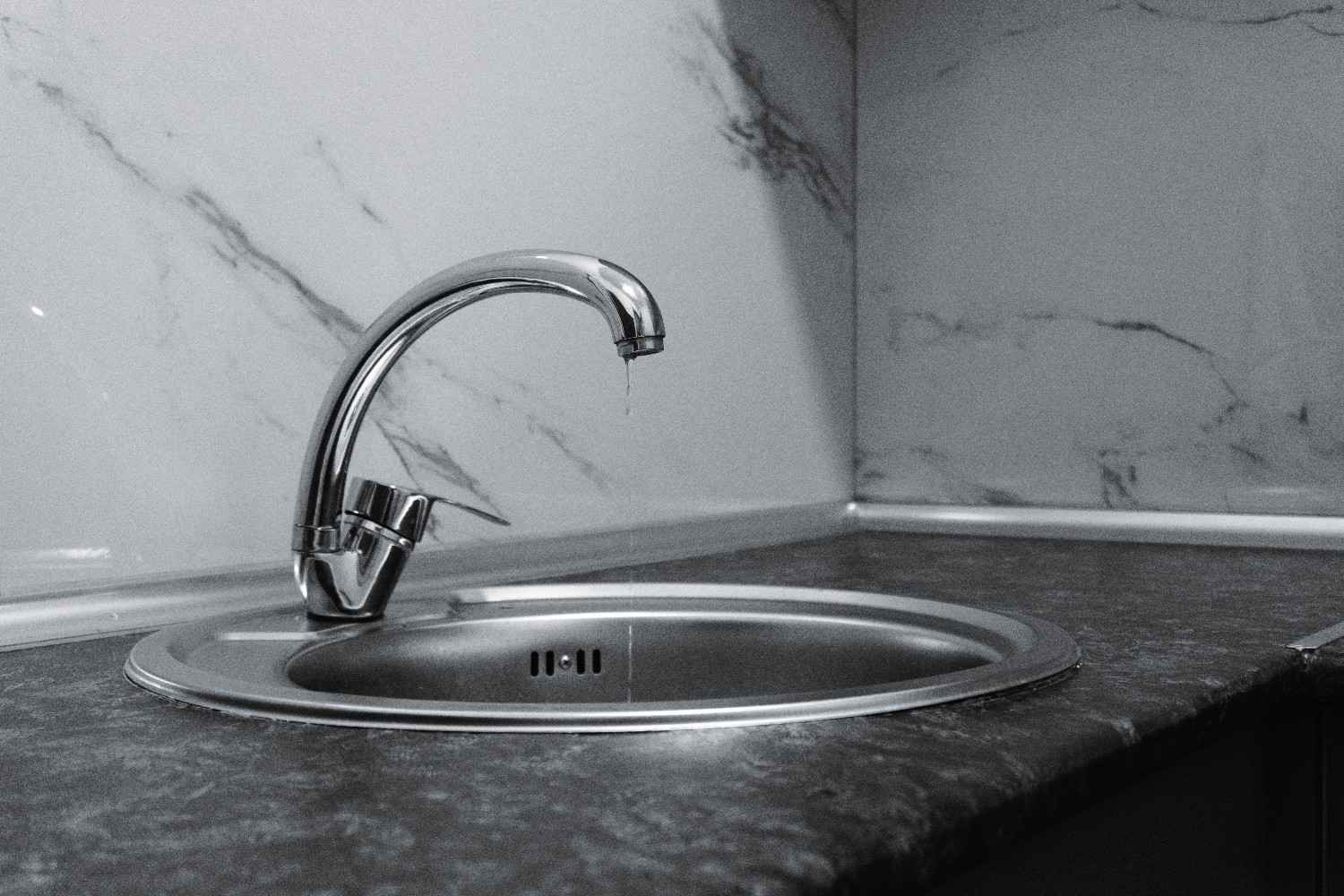
That steady drip, drip, drip from your kitchen or bathroom tap might seem like a minor annoyance. It is not. A single dripping tap can waste tens of litres of water a day, and over months, that adds up to a noticeably higher water bill for a problem that usually costs very little to fix.
This guide walks you through why taps drip, how much it is really costing you, what you can safely fix yourself, and when it is time to bring in a professional.
Why a Dripping Tap Is More Costly Than It Looks
It is easy to ignore a slow drip. It does not flood your floor or trigger an emergency callout. But left alone, it runs 24 hours a day, seven days a week, with no one watching the metre.
Here is roughly what different drip rates can waste:
A slow drip (about one drop every couple of seconds) can waste around 1.5 to 5 litres a day.
A steady drip (roughly one drop per second) can waste up to 10 to 15 litres a day.
A fast drip or thin trickle can waste 45 litres a day or more.
Multiply any of these by 365 days, and even a "small" leak can waste several thousand litres a year. In Singapore, water is priced per cubic metre and includes the water tariff, water conservation tax, and waterborne fee, so every wasted litre is quietly billed to you. A leaking tap will not usually bankrupt a household, but it is money paid for water that never gets used, on top of the slow damage it can cause to fittings, cabinets, and finishes if the drip lands somewhere it should not.
The fix is almost always inexpensive. The waste, if ignored, is not.
Common Causes of a Leaking Tap
Most household taps leak for one of a handful of reasons. Knowing which one applies to your tap will save you time before you attempt a repair.
Worn washer
Older tap designs use a rubber washer that seals the valve seat when the tap is closed. With repeated use, the washer hardens, cracks, or flattens, and water starts to seep through. This is one of the most common causes of a dripping compression tap.
Worn or faulty cartridge
Most modern mixer taps use a cartridge instead of a washer. Cartridges contain small internal seals that wear out over time, especially with frequent use or gritty water. A worn cartridge often causes dripping from the spout even when the tap is fully off, or a tap that feels loose or wobbly when turned.
Damaged valve seat
The valve seat is the part inside the tap body that the washer presses against. If it becomes corroded or pitted, usually from mineral deposits or age, the washer will not seal properly no matter how new it is. This often shows up as a drip that returns quickly after a washer replacement.
Loose parts or worn O-rings
O-rings seal smaller components inside the tap, such as around the spout base. A loose packing nut or a perished O-ring commonly causes leaks at the base of the tap rather than from the spout itself.
Mineral buildup and water pressure
Hard water deposits can interfere with how tightly internal parts seal, and unusually high water pressure can stress washers and cartridges faster than normal. Both make leaks more likely to recur, even after a repair.
Washer vs Cartridge: What Is Actually Leaking?
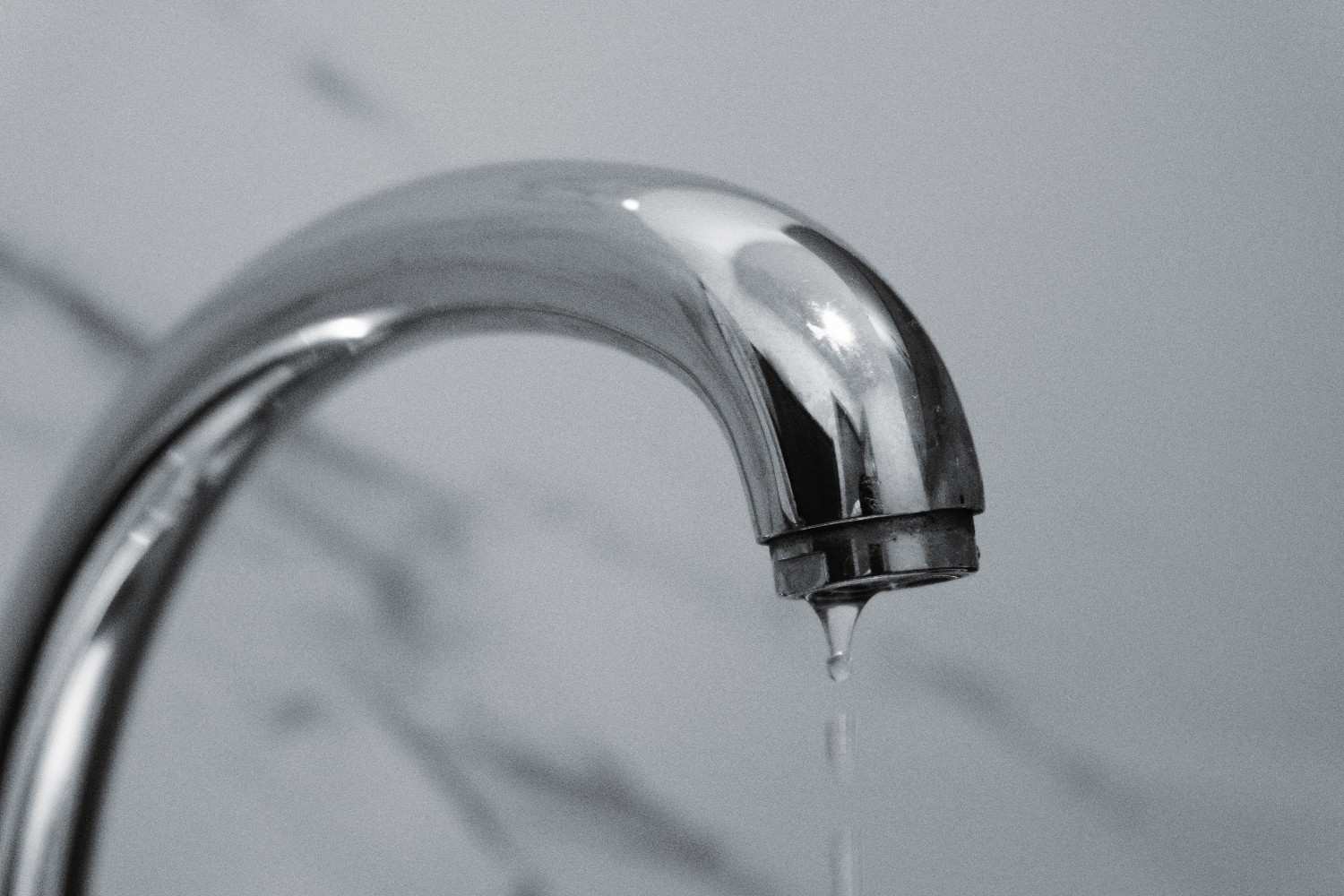
Before buying parts or booking a repair, it helps to know which type of tap you have.
Washer taps are typically older, twist-handle taps. You will usually feel some resistance and a slight squeak as you turn them fully off.
Cartridge taps are common in newer mixer taps, including single-lever kitchen and basin mixers. They tend to turn smoothly with a quarter-turn action and do not require much force to shut off.
A rough way to tell which part has failed: if the drip comes from the spout when the tap is off, suspect the washer or cartridge. If water seeps from the base or handle area, suspect an O-ring or a loose nut. If a leak returns soon after a straightforward washer swap, the valve seat is the likely culprit.
DIY Fixes You Can Try Safely
If you are comfortable with basic tools, a few tap issues are within reach of a confident DIY attempt.
Before starting any repair:
Turn off the water supply at the isolation valve under the sink, or at the main stopcock if there is no isolation valve.
Plug the drain so small screws or parts do not disappear down it.
Take a photo of the tap before disassembly, so you remember how it goes back together.
To replace a washer:
Remove the tap handle (usually one screw under a cap).
Unscrew the packing nut and lift out the valve assembly.
Replace the worn washer with one of the same size.
Reassemble and turn the water back on to test.
To replace a cartridge:
Remove the handle and any decorative cap.
Unscrew the retaining nut or clip holding the cartridge in place.
Pull out the old cartridge and insert a matching replacement, seated the same way the old one was.
Reassemble and test for leaks and smooth operation.
These fixes work well for straightforward cases. They are less likely to hold if the valve seat is damaged, if the tap is old enough that replacement parts are hard to source, or if the leak returns shortly after your repair.
When to Call a Professional Plumber
Some situations are worth handing to a professional rather than repeating a DIY fix that keeps failing.
Consider calling in a plumber if:
The leak continues after you have replaced the washer or cartridge.
You are not sure which part has failed, or the tap is a type you have not worked on before.
The valve seat looks corroded, pitted, or damaged.
The tap is old, and matching replacement parts are difficult to find.
The leak is at a joint, connection, or somewhere that involves cutting into pipework.
You would rather have it fixed once, correctly, without a second trip to the hardware shop.
A leaking tap that keeps coming back usually points to a worn valve seat or a tap nearing the end of its usable life, both of which are best assessed by someone who repairs taps regularly.
A professional can also confirm whether a repair is worthwhile or whether replacing the tap altogether is the more cost-effective option in the long run.
How a Professional Repair Typically Works
When you bring in a licensed plumbing service in Singapore, the process is usually straightforward:
The plumber inspects the tap and identifies the exact cause, whether that is the washer, cartridge, valve seat, or a connection issue.
They confirm whether a repair is sufficient or whether the tap should be replaced.
Parts are sourced and fitted, matched to your tap's make and model where possible.
The tap is tested under normal water pressure to confirm the leak is fully resolved before the job is closed out.
This matters because a rushed or mismatched part replacement is a common reason DIY fixes and even some quick repairs do not last. Getting the diagnosis right the first time avoids a repeat leak and a repeat bill.
Stop the Drip Before It Adds Up
A dripping tap is a small problem that quietly gets more expensive the longer it runs. If a washer or cartridge swap sounds manageable, it is worth trying. If the leak persists, keeps returning, or you simply want it handled properly the first time, working with an experienced plumbing service in singapore will save you the back-and-forth.
If your tap is still dripping after trying the basics, Contact us and we will get it sorted.
Frequently Asked Questions
It depends on the drip rate, but even a slow drip of one drop every couple of seconds can waste several litres a day, while a faster drip can waste 45 litres or more a day. Over a year, that can add up to thousands of litres, all of it billed on your water statement.
If the drip returns soon after a washer swap, the valve seat underneath is likely worn, corroded, or pitted, which stops even a new washer from sealing properly. This usually needs the valve seat to be reseated or the tap replaced.
Many washer and cartridge replacements are manageable as a DIY job if you are comfortable with basic tools and can turn off the water supply safely. If the leak persists after a repair attempt, or you are dealing with an unfamiliar tap type or a damaged valve seat, it is better to call a professional.
Washer taps are typically older, twist-handle designs that need some force to shut off fully. Cartridge taps are common in newer mixer taps and use a smooth quarter-turn action. Knowing which type you have determines which part you need to replace.
Usually not. A dripping tap will not normally cause sudden flooding, so it does not need an emergency callout. That said, it should not be left indefinitely, since the water waste and cost accumulate every day it continues, and in some cases a drip can point to a bigger issue building up inside the tap.