Toilet Bowl Choke in Singapore: Causes, Fixes, and When to Call a Plumber
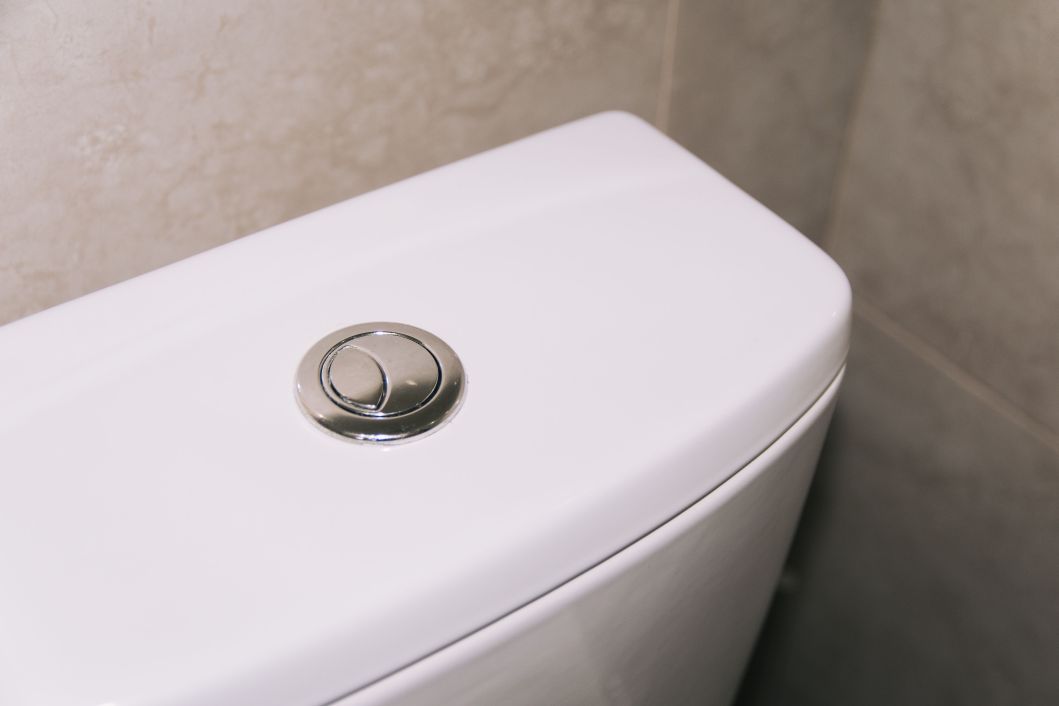
A toilet bowl choke is a blockage that stops water and waste from draining normally, usually caused by excess paper, non-flushable items, or a build-up further down the pipe. It is one of the most common plumbing calls across Singapore, in HDB flats, condos, and landed homes alike. Most chokes have a clear, identifiable cause, and a few quick checks can tell you whether it is something you can clear yourself or something that needs a licensed plumber.
This guide walks through why toilet bowls choke in the first place, what is safe to try before calling anyone, and the signs that mean it is time to stop troubleshooting and book a service visit. It also covers why the problem shows up so often in HDB flats specifically, since the plumbing layout there behaves a little differently from landed properties.
Why Toilet Bowls Choke in Singapore Homes
Most chokes in Singapore bathrooms trace back to one of three situations, and each one behaves a little differently once it sets in. Knowing which pattern you are dealing with helps you decide how urgent the problem is before a plumber even arrives.
Too Much Paper or Non-Flushable Items
Toilet paper breaks down in water, but thicker tissue, wet wipes, and sanitary products do not, even when a packet says "flushable." A build-up of these materials is the single most common cause of a choked bowl in Singapore households, especially in homes with young children or several bathroom users on the same line. Once enough material gathers in the trap, even a normal amount of paper on top of it is enough to stop the flow completely.
A Blocked S-Trap or P-Trap
Every toilet bowl has a built-in trap, an S-shaped or P-shaped bend that holds a water seal and blocks sewer gas from coming back up. This bend is also the narrowest point in the system, so it is the first place anything solid tends to catch. A choke sitting right in the trap usually responds well to a plunger or a toilet auger, since the blockage has not travelled far from where it started.
A Problem Further Down the Pipe
When a choke keeps coming back within days of being cleared, the real blockage is usually sitting further down the soil pipe rather than in the bowl itself. Grease, mineral build-up, or even a partial collapse in an older pipe run can narrow the passage enough that anything flushed afterward gets stuck at the same point. This pattern is more common in older HDB blocks and landed homes with original plumbing that has never been inspected, and homeowners and businesses across Singapore who search for help with this often start by looking at Active-Plumbing and similar licensed services.
What You Can Safely Check Before Calling a Plumber
A handful of checks take only a few minutes and can tell you a lot about what you are dealing with before you decide whether to call for help. Working through them in order also gives a plumber useful information to start from if you do need one.
Try a flanged plunger first, since it seals better against a toilet bowl's curved base than a flat sink plunger.
Pour a bucket of hot, not boiling, water into the bowl from waist height, which can help loosen a soft blockage close to the trap.
Check whether other fixtures on the same line, such as a nearby floor trap or sink, are also draining slowly, since that points to a shared pipe issue rather than a toilet-only problem.
Avoid chemical drain cleaners in a toilet bowl, since they rarely clear a real blockage and can damage the bowl's glaze or seals with repeated use.
Note how quickly the choke came back if this is a repeat issue, since one that returns within a week usually means the real blockage is further down the line.
When a Toilet Bowl Choke Needs a Professional
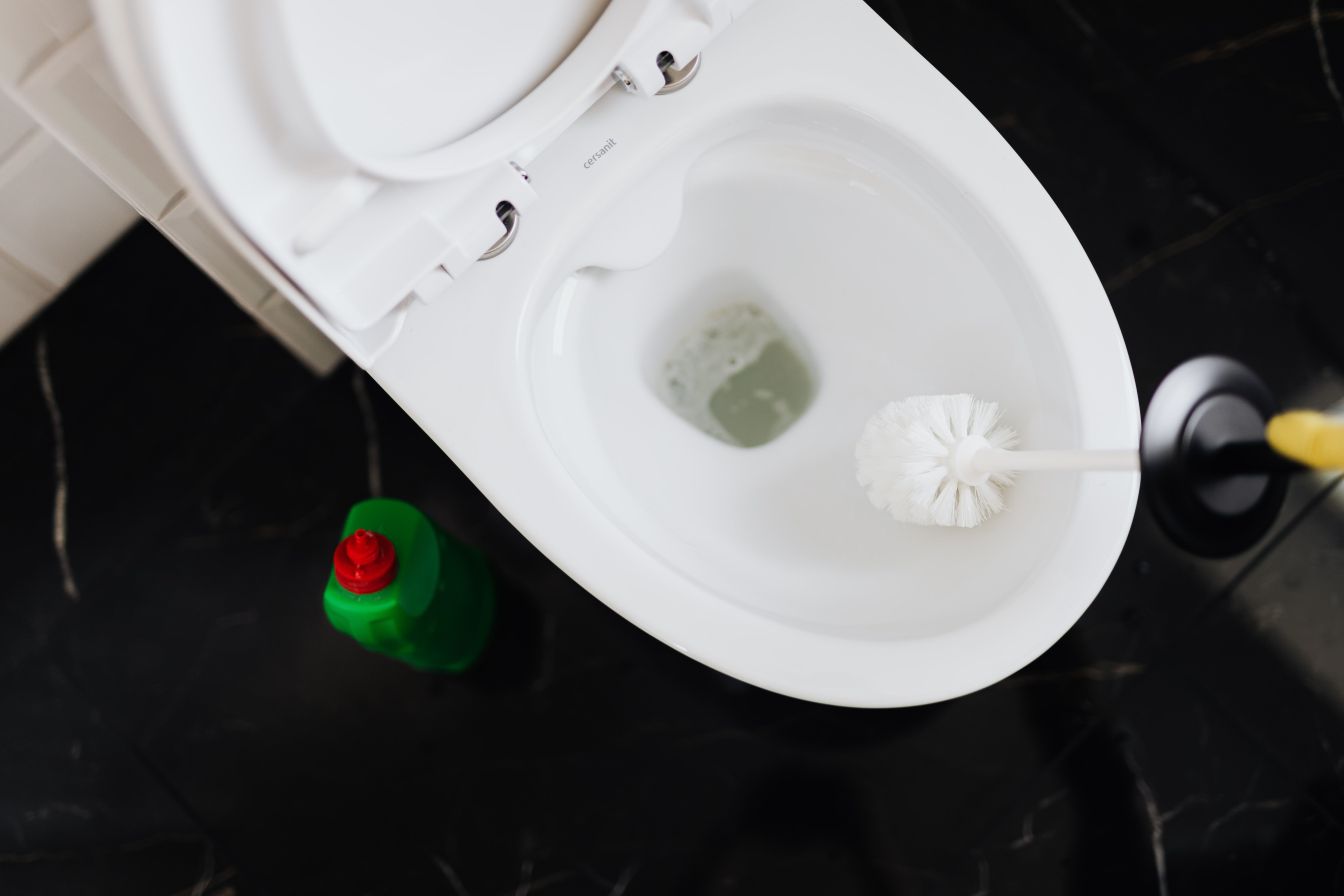
If a plunger and hot water have not cleared the bowl after a couple of attempts, or if water is rising close to the rim instead of draining, it is time to stop and call for help rather than keep forcing it. Repeated plunging on a blockage that will not move can push waste further into the pipe or damage the bowl's internal trap, which turns a simple choke into a more expensive repair.
A choke that affects more than one fixture at once, such as a toilet backing up at the same time as a floor trap or shower drain, is also a sign the blockage sits in a shared pipe rather than inside the bowl. These cases usually need a drain and floor trap specialist or a camera inspection to locate exactly where the pipe is blocked before any clearing work starts.
Why This Comes Up So Often in HDB Flats
HDB flats share a common soil stack that runs through multiple units on the same line, which means a blockage does not always originate in your own bathroom. A choke that seems to come from nowhere, with no recent change in how the toilet is used, is sometimes caused by something further up or down the shared stack rather than anything happening inside the flat itself. This is also why HDB plumbing work, including anything that touches the shared stack, generally needs a plumber familiar with HDB-specific plumbing layouts rather than a general handyman.
Older HDB flats are more likely to see recurring chokes simply because the pipework has had more years to narrow with mineral build-up, and because renovation work over the decades sometimes alters the original pipe layout in ways that are not obvious from inside the bathroom. A flat that has had two or three chokes in the same spot within a year is a reasonable candidate for a proper pipe inspection rather than repeated one-off clearing.
What a Professional Visit Usually Involves
A typical service call for a toilet bowl choke starts with identifying whether the blockage sits in the trap or further down the line, usually with a toilet auger or, for persistent cases, a drain camera. Clearing the blockage itself is normally quick once its location is confirmed, though a choke caused by a structural issue, such as a cracked or collapsed section of pipe, needs a different repair altogether.
For straightforward cases, a same-day appointment is usually enough to get the toilet working again. A proper toilet bowl chokage service covers both quick clearing visits and the pipe inspection work needed for repeat chokes, so the same visit can confirm the cause and fix it rather than leaving you to call again the following month. If you would rather talk through the symptoms first, you can also get in touch directly before booking a visit.
Frequently Asked Questions
A choke that keeps coming back within days almost always means the actual blockage sits further down the pipe rather than in the bowl itself. Clearing the trap only removes what is directly in front of it, so a recurring choke is a sign that a proper drain inspection is needed rather than repeated plunging.
No, chemical drain cleaners are not a reliable fix for a toilet bowl choke and can damage the bowl's glaze or internal seals with repeated use. A flanged plunger or a toilet auger is a safer first step, and anything beyond that is better handled by a plumber with the right tools.
Yes, if a floor trap, sink, or second toilet on the same line starts draining slowly at the same time, the blockage is most likely sitting in a shared pipe rather than inside one fixture. This pattern usually needs a drain inspection to find where the blockage actually is before any clearing work can fix it properly.
Most straightforward chokes are cleared within a single visit, often in under an hour once the location of the blockage is confirmed. A choke caused by a structural pipe issue, such as a collapsed section, takes longer since it needs a different kind of repair rather than simple clearing.
HDB flats share a common soil stack across multiple units, so a choke can sometimes originate from further up or down the line rather than from anything happening inside your own bathroom. Older blocks are also more prone to this because the pipework has had decades to accumulate mineral build-up and narrow gradually.
A couple of attempts with a proper flanged plunger is reasonable, but repeated forceful plunging on a blockage that will not move risks pushing waste further into the pipe or damaging the bowl's internal trap. If two or three attempts have not worked, it is better to call a plumber than to keep forcing it.