Underground Pipe Leak in Singapore: Early Signs, Causes, and How It Gets Fixed
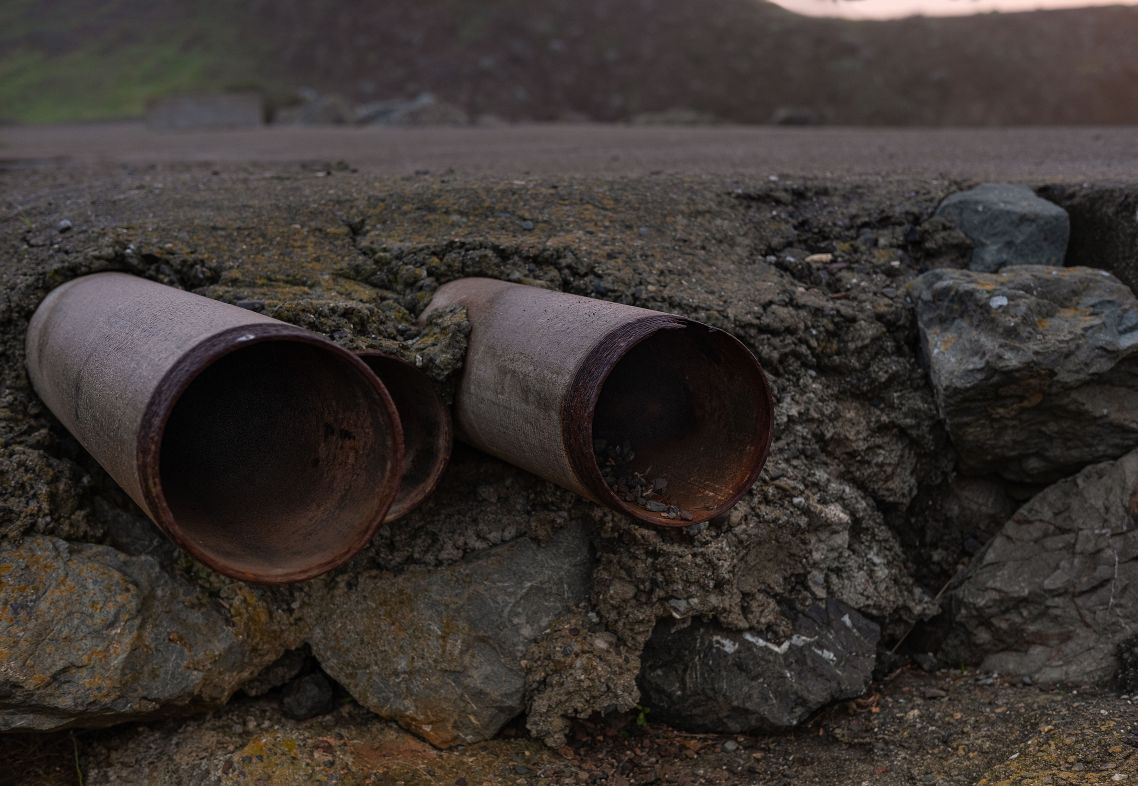
An underground pipe leak is water escaping from a supply or drainage pipe buried beneath a floor slab, driveway, or garden, and it often runs for weeks or months before anyone notices. Unlike a leak behind a wall, there is usually no damp patch or stain to point to, which is why so many underground leaks are only discovered after the water bill climbs or the ground itself starts to change. A proper underground pipe leakage assessment can confirm what is happening before any ground is disturbed.
This guide covers the early signs worth watching for, what typically causes a pipe to fail underground, and how a plumber actually finds the leak before any digging starts. Landed homes, older HDB blocks, and commercial properties across Singapore all have sections of pipe running underground, and the signs look slightly different depending on where that pipe sits.
Early Signs of an Underground Pipe Leak
A few warning signs tend to show up before an underground leak becomes an obvious problem, and catching them early usually means a smaller, cheaper repair. None of these signs on their own is definite proof of a leak, but two or more appearing together is a strong reason to get the property checked.
A water bill that climbs steadily over two or three billing cycles with no real change in household or business water use.
A patch of grass or garden bed that stays noticeably greener or wetter than the area around it, even in dry weather.
A soft or slightly sunken patch of ground, driveway, or path where there was none before.
A faint sound of running water when all taps and appliances inside the property are switched off.
Lower than usual water pressure at taps that are otherwise working normally, since escaping water reduces pressure in the rest of the line.
A sudden appearance of mould, dampness, or a musty smell in a ground-floor room with no obvious plumbing nearby.
What Usually Causes a Pipe to Leak Underground
A handful of causes account for most underground leaks in Singapore, and the likely cause often depends on the age and type of the property. Knowing which one fits your situation helps set expectations for how the repair will go.
Corrosion in Older Metal Piping
Older properties, particularly those built before PVC and other modern materials became standard, often still have galvanised steel or copper piping underground. These materials corrode from the inside over decades, and a corroded section eventually develops a pinhole leak long before it would be visible from the surface. Older HDB plumbing in particular can reach this stage without any renovation work ever having touched the original pipe run.
Ground Movement and Shifting Soil
Singapore's soil conditions, combined with nearby construction, root growth from large trees, or even heavy vehicle traffic over a driveway, can shift the ground enough to stress a buried pipe at its joints. A joint that was perfectly sealed when installed can separate slightly over years of this kind of movement, and the resulting leak is often slow rather than sudden.
Root Intrusion
Tree and shrub roots are drawn to the moisture inside a pipe and can find their way into even a small existing crack or joint gap. Once inside, a root continues to grow and can widen the opening considerably, turning a minor weep into a proper leak over a single growing season.
Physical Damage During Other Work
Renovation, landscaping, or even fence post installation can accidentally strike a buried pipe that was not properly marked or mapped beforehand. This kind of damage sometimes shows up immediately, but a glancing hit that only cracks the pipe wall can leak slowly for a long time before it is noticed.
How a Plumber Finds the Leak Without Digging Up the Whole Property
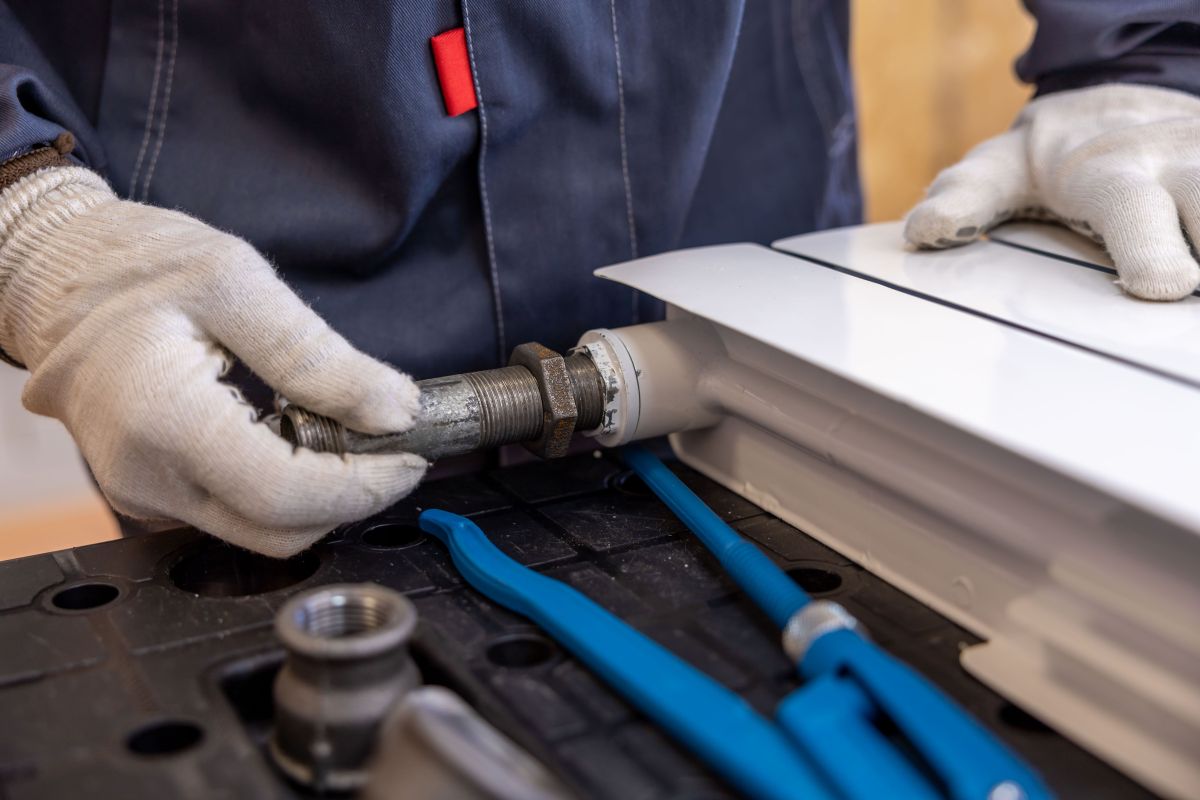
Modern leak detection does not usually start with a shovel. A plumber typically begins with a pipe leakage assessment that uses acoustic listening equipment to pinpoint the sound of escaping water along the suspected pipe run, often narrowing the leak down to within a metre or two before any ground is disturbed.
For leaks that are harder to pin down acoustically, such as those under thick concrete or in noisy environments, tracer gas or thermal imaging can confirm the exact location by detecting where gas escapes through the ground or where soil temperature shifts slightly around the leak. Once the location is confirmed, the repair itself can be targeted to a small section of ground rather than an open trench along the entire pipe run, which keeps both the disruption and the cost down.
Why This Matters More for Some Properties Than Others
Commercial properties and larger landed homes tend to have longer underground runs feeding multiple points, which means more total pipe length where a leak could develop and more water lost before anyone notices a change in the bill. A concealed pipe leak inside a wall is usually caught faster simply because the damage becomes visible sooner, while an underground leak can run quietly for a full billing cycle or longer.
Properties with mature gardens or extensive outdoor paving are also worth watching more closely, since both tree roots and ground movement are more likely where there is established landscaping. A yearly check of the water meter at a time when nothing inside the property is using water is a simple way to catch a developing leak before it becomes a bigger repair.
Getting an Underground Leak Fixed
Once a leak is confirmed and located, a same visit can usually move from confirming the leak to repairing it, rather than leaving the property with an open question about what happens next. Homeowners and businesses looking for a plumber for this kind of work can start from Active-Plumbing's homepage to see the full range of leak detection and repair services on offer.
If you are still unsure whether what you are seeing points to an underground leak at all, it is worth describing what you have noticed before committing to a full site visit. You can reach out directly with details of the water bill pattern or the ground changes you have seen, and go from there.
Frequently Asked Questions
The clearest early signs are a water bill that keeps climbing with no change in usage, a patch of ground that stays wetter or greener than the surrounding area, or a faint sound of running water when everything inside the property is switched off. Any one of these on its own is worth checking, and two or more together usually means it is time to call a plumber.
Yes, acoustic leak detection equipment can usually narrow a leak down to within a metre or two along the pipe run before any digging starts. This means the actual repair work is targeted to a small section rather than an open trench along the whole pipe.
Corrosion in older metal piping, ground movement from nearby construction or large tree roots, and root intrusion into existing cracks or joints are the most common causes seen in Singapore properties. Physical damage from past renovation or landscaping work is another frequent cause, especially where the original pipe location was not properly recorded.
Even a small, steady leak can waste thousands of litres over a few months, since it runs continuously rather than only when a tap is open. This is usually what drives the noticeable jump in water bills that often prompts someone to call a plumber in the first place.
A slow leak is rarely an emergency in the sense of needing same-hour attention, but it should not be left for long once suspected, since the wasted water and any ground erosion around the leak both get worse over time. A sudden, large leak with visible pooling or flooding is different and does warrant an emergency callout.
Older properties of either type are more likely to still have ageing metal piping underground, which raises the risk of corrosion-related leaks compared to a property with newer PVC piping. Landed homes with larger gardens also carry an added risk from root intrusion that most HDB flats do not face in the same way.