Why Do My Pipes Bang? Water Hammer Causes & Fixes in Singapore Homes
If you've ever heard a loud bang or shudder in your walls right after switching off a tap or your washing machine finishes a cycle, you're not imagining things. This is one of the most common plumbing complaints in Singapore homes, from HDB flats to landed properties.
The noise itself, called water hammer, is usually fixable. But ignoring it for too long can loosen fittings, wear down valves, and eventually lead to leaks. This guide breaks down why it happens, what you can check yourself, and when it's time to bring in a professional.
What Is Water Hammer, Exactly?
Water hammer happens when flowing water is forced to stop or change direction suddenly. Water moving through your pipes has momentum, much like a car on a motorway. When a valve or tap closes abruptly, that moving water has nowhere to go, so it creates a pressure shockwave that slams against the pipe walls and fittings.
That shockwave is what you hear as a bang, knock, or series of rattles. It can happen once, or repeat every time a specific appliance or tap is used.
A few quick signs that what you're hearing is water hammering in pipes rather than something else:
The noise happens right after a tap, washing machine, or dishwasher shuts off
It's a sharp knock or thud, not a continuous hum or whistle
It tends to come from a specific wall, riser, or section of pipework
It may get louder over time as fittings loosen
Common Causes of Banging Pipes in Singapore Homes
Several factors make this especially common in Singapore properties, particularly in high-rise HDB flats and condominiums.
1. High Water Pressure
Singapore's residential water pressure typically runs between 1 and 2 bars. If your unit sits at the higher end, or a pressure-reducing valve has failed, the extra force makes shockwaves more forceful when a valve slams shut.
2. Fast-Closing Valves and Appliances
Modern washing machines, dishwashers, and some bidets use solenoid valves that shut off almost instantly. That instant stop is far more likely to trigger water hammer than a tap turned off gradually by hand.
3. Loose or Unsecured Pipes
Pipes are meant to be clipped and secured at regular intervals. Over time, clips can loosen, degrade, or were never installed correctly. When a pipe isn't held firmly, it vibrates and knocks against walls or joists as pressure surges through it.
4. Worn or Faulty Fittings
Ageing valves, worn washers, and deteriorating fittings lose the ability to close smoothly. Instead of a gentle seal, you get a sudden, jarring stop, exactly the kind of abrupt change that causes water hammering in pipes.
5. Missing or Waterlogged Air Chambers
Older plumbing systems often include air chambers, small pockets of trapped air that cushion pressure spikes before they turn into a bang. Over time, these chambers can fill with water and lose their cushioning effect, especially in older units.
DIY Checks You Can Do First
Before booking a plumber, there are a few simple things worth checking. None require special tools, and they can help narrow down the cause quickly.
Note when it happens. Does it occur after every tap use, or only with the washing machine or dishwasher? This tells you if the issue is isolated to one appliance.
Check visible pipes for movement. Where you have access, under sinks or in a utility area, look for clips that are loose, missing, or rusted through.
Test your water pressure. A pressure gauge attachment, available at most hardware stores, fitted to an outdoor tap can tell you if your pressure is unusually high.
Look at appliance connections. Loose hoses or worn washing machine inlet valves are a frequent, easy-to-miss culprit.
Check for recent renovation work. If the banging started after a renovation, the new installation may not have been secured or sized correctly.
If these checks point to a loose clip or an obvious fix, some homeowners can resolve minor cases themselves. But water hammer often has more than one cause, which is why a professional inspection tends to save time and money in the long run.
When You Should Call a Plumber
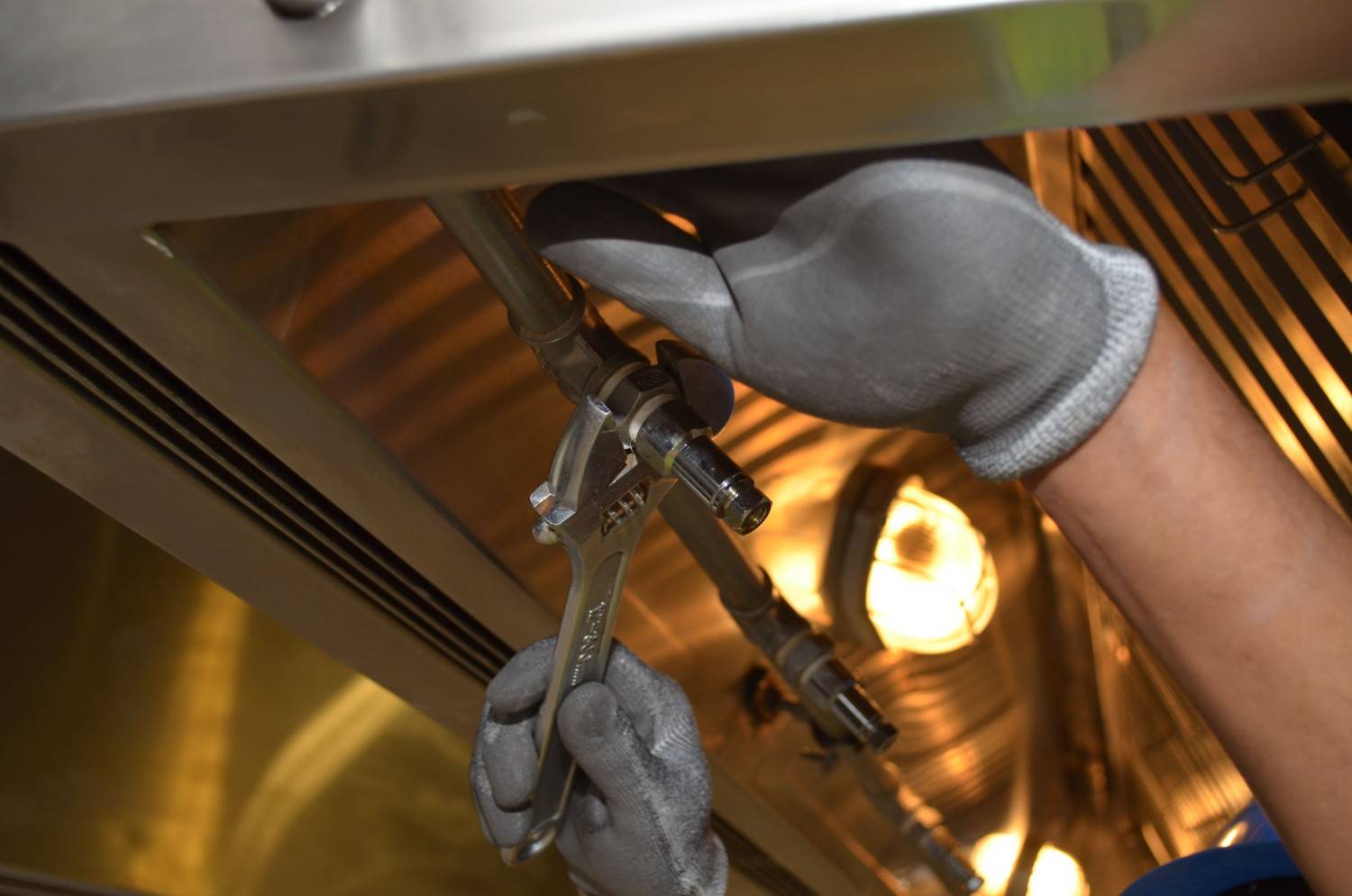
Some situations call for a licensed plumber straight away rather than trial and error:
The banging is loud, frequent, or getting worse over time
You've checked visible pipes and appliances and found nothing obvious
The noise is coming from within walls or ceilings you can't access
You suspect high water pressure but don't have a way to test it accurately
There are signs of leaking, dampness, or staining near the noisy section
The property is an HDB flat or condominium, where shared risers and common pipework are involved
In Singapore, licensed plumbers are expected to inspect pipes under the correct pressure and flow conditions as part of Singapore Standard 636, precisely to prevent issues like water hammering. That's a good reason to use a properly licensed plumbing service in Singapore rather than attempting repairs on shared or embedded pipework yourself.
A professional visit typically includes a pressure assessment, inspection of valves and pipe supports, and a water hammer arrestor fitted if needed, a small device designed to absorb pressure shocks.
Why Ignoring Water Hammer Is a Bad Idea
It's tempting to live with an occasional bang. But repeated pressure shockwaves put ongoing stress on joints, valves, and fittings. Over time, this can lead to:
Loosened pipe joints and fittings
Premature wear on valves and taps
Small leaks that develop into larger ones
Damage to walls or ceilings if pipework is concealed
Catching water hammer early is almost always cheaper than dealing with water damage later.
Final Thoughts
Banging pipes are annoying, but they're rarely a mystery once you know what to look for. Start with the simple checks: timing, visible pipework, and appliance connections. If the cause isn't obvious, or the noise comes from pipework you can't access, it's worth bringing in a professional rather than guessing.
If you're dealing with persistent water hammering and want it properly diagnosed, our team at Active Plumbing offers a reliable plumbing service in Singapore with the experience to pinpoint the cause and fix it for good. Contact us, and we'll be happy to help.
Frequently Asked Questions
On its own, the noise isn't dangerous, but the repeated pressure shockwaves can loosen joints and wear down fittings over time. Left unaddressed, this can eventually lead to leaks, which can cause water damage to walls, ceilings, or flooring.
Yes. Singapore's residential water pressure typically sits between 1 and 2 bars, but if your unit runs on the higher end, or a pressure-reducing valve has failed, that extra force makes shockwaves more forceful whenever a valve closes suddenly.
Checking and tightening loose pipe clips, testing your water pressure, and inspecting washing machine or dishwasher hose connections are good first steps. If these don't resolve it, the cause is likely hidden within the walls or shared pipework, which needs professional attention.
It can, mainly because HDB flats and condominiums rely on shared risers and common pipework serving multiple units, which adds complexity when diagnosing the source. High-rise water pressure dynamics can also play a role.
A plumber typically starts with a pressure assessment and inspection of pipe supports and valves. Depending on what's found, fixes range from re-securing loose pipework to fitting a water hammer arrestor, which is a small device designed to absorb pressure shocks at the source.