Toilet Smells Like Gas? Causes, Risks, and How to Fix It in Singapore
There’s nothing worse than stepping into your bathroom and being hit by a strong gas-like smell coming from your toilet. Not only is it unpleasant, but it can also indicate underlying plumbing issues that, if left untreated, may cause serious health risks or property damage.
At ActivePlumbing.sg, we have extensive experience resolving toilet gas problems across Singapore. In this detailed guide, we explain why your toilet smells like gas, the potential risks, DIY fixes, and professional solutions to restore a fresh-smelling bathroom.
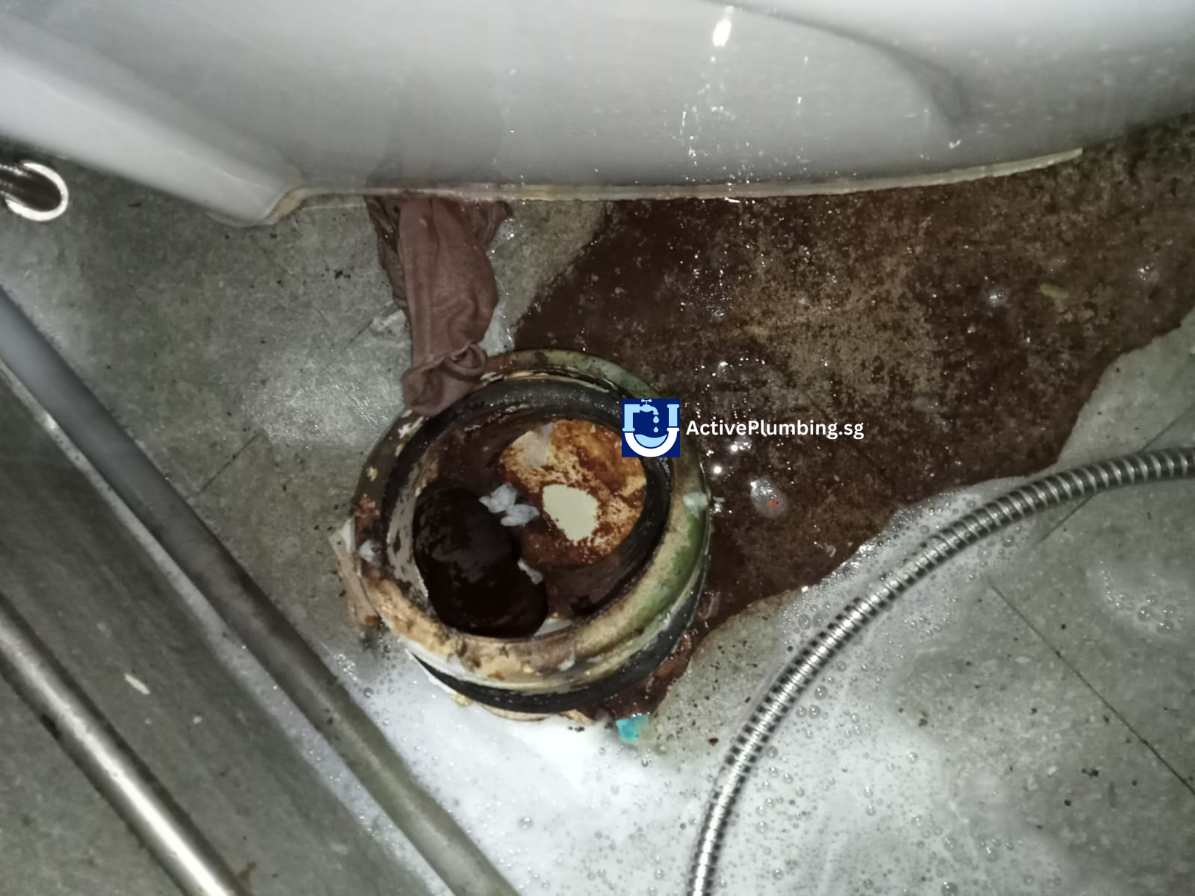
A toilet producing strong gas odour caused by drainage or pipe issues.
Understanding Toilet Gas Smells
When your toilet smells like gas, it’s usually sewer gas, a combination of methane, hydrogen sulfide, ammonia, and carbon dioxide. These gases are produced when organic matter decomposes in the sewage system.
While small amounts of sewer gas are usually not dangerous, prolonged exposure can cause headaches, nausea, dizziness, and respiratory issues. More importantly, the smell can indicate leaks or faulty plumbing components, which could lead to water damage or structural problems if ignored.
Understanding the source of toilet gas smells is the first step in addressing them effectively.
Common Causes of Toilet Gas Smells
Several plumbing issues can lead to sewer gas escaping into your bathroom. The most common causes include:
1. Dry or Faulty P-Trap
The P-trap is the curved pipe located beneath your toilet and sinks. Its main function is to hold water, creating a seal that prevents sewer gases from entering your home.
Causes of P-trap gas leaks:
- Dry P-Trap: Toilets that are rarely used may have water in the trap evaporate, allowing gas to escape.
- Cracks or Damage: Even a small crack in the P-trap can lead to gas leaks.
Signs of a P-trap problem:
- Smell is strongest near the toilet bowl
- No obvious water leaks, but persistent odor
2. Blocked or Damaged Vent Pipes
Vent pipes allow air into your plumbing system to help wastewater flow smoothly and prevent vacuum pressure that could siphon water from the P-trap.
Problems caused by vent pipe issues:
- Blocked vents can force sewer gases back into your home
- Damaged or collapsed vent pipes prevent proper ventilation, allowing odors to accumulate
3. Faulty Wax Ring
The wax ring seals the base of your toilet to the floor flange. It prevents water leaks and stops sewer gases from escaping.
Signs of a bad wax ring:
- Persistent foul smell around the toilet base
- Water pooling at the base
- Toilet feels loose or wobbly
4. Sewer Line Issues
If the gas smell is strong and persistent, the problem may be deeper within your plumbing system.
Possible sewer line problems:
- Cracks or breaks in the sewer pipes
- Blockages or backups
- Collapsed or deteriorated pipes
Sewer line problems can be dangerous and may require specialized equipment to diagnose and repair. Delaying repairs can lead to sewage leaks, water damage, and expensive repairs.
5. Bacterial Growth
Toilets that are not cleaned regularly can develop bacteria in the bowl or pipes. Some bacteria produce sulfur-like or rotten-egg odors, which mimic the smell of sewer gas.
Risks of Ignoring Toilet Gas Smells
Ignoring a smelly toilet can have serious consequences. Some of the risks include:
- Health Hazards
- Sewer gases like methane and hydrogen sulfide can cause headaches, nausea, dizziness, and in severe cases, breathing difficulties.
- Property Damage
- Gas odors often indicate leaks, damaged seals, or cracks in the pipes, which can damage floors, walls, or cabinetry if left untreated.
- Pest Infestation
- Sewer gases can attract rodents and insects, leading to hygiene issues and additional home maintenance costs.
- Decreased Home Comfort
- Constant foul odors make your bathroom unpleasant and reduce your overall home comfort.
How to Identify the Source of Toilet Gas Smells
Before attempting a fix, it’s important to pinpoint the source of the odor. Consider the following:
- Location of the Smell: Is it concentrated around the toilet, or does it spread to the entire bathroom or home?
- Timing: Does the odor appear after flushing, or is it constant?
- Visual Clues: Look for water stains, cracks, or loose toilet fittings.
A careful inspection often reveals whether the issue is caused by a dry P-trap, damaged wax ring, blocked vent pipe, or sewer line problem.
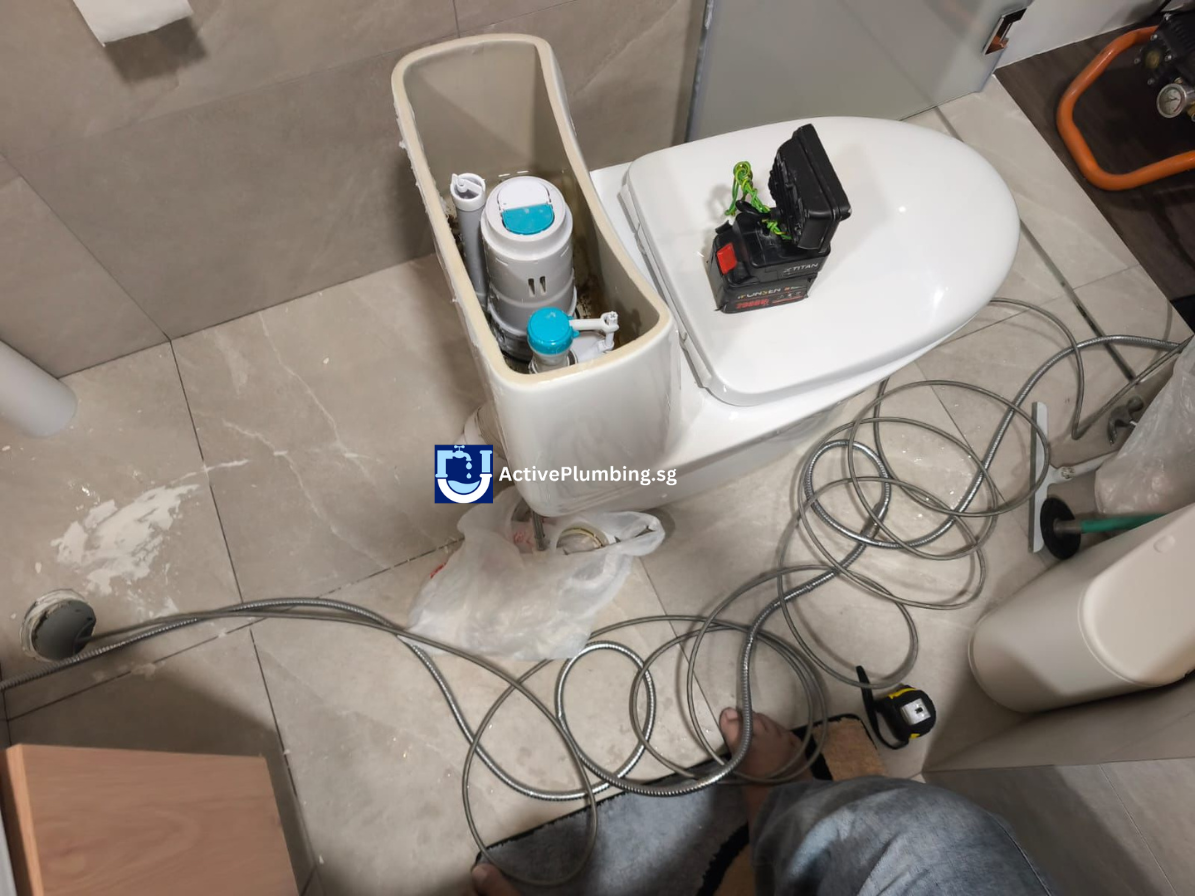
Professional clearing a blocked toilet bowl drainage pipe to restore proper flushing.
DIY Solutions to Reduce Toilet Gas Smells
While some toilet gas issues require professional plumbing services, minor problems can sometimes be handled at home.
1. Refill the P-Trap
For toilets that are rarely used, pour a bucket of water into the bowl to refill the P-trap. This simple step can restore the water seal and block sewer gas.
2. Clean Your Toilet Regularly
Use toilet-safe disinfectants to clean the bowl and remove bacterial buildup. Don’t forget to scrub under the rim and around the base of the toilet.
3. Check for Visible Leaks
Inspect the toilet base for cracks, water pooling, or a loose toilet. These are signs of a damaged wax ring, which may need professional replacement.
4. Ventilate the Bathroom
Turn on exhaust fans or open windows to disperse lingering odors while addressing the underlying cause.
While DIY solutions may provide temporary relief, professional intervention is often needed for long-term odor elimination.
Professional Solutions for Toilet Gas Smells
At ActivePlumbing.sg, we provide comprehensive plumbing services to resolve toilet gas problems effectively.
Step 1: Inspection and Diagnosis
We inspect your toilet, P-trap, wax ring, vent pipes, and sewer lines using advanced diagnostic tools to identify the source of the odor.
Step 2: Repairs and Replacement
Depending on the problem, we may:
- Replace the wax ring to ensure a tight toilet seal
- Repair or replace cracked or leaking P-traps
- Clean or unblock vent pipes to restore airflow
- Repair damaged sewer lines for a permanent solution
Step 3: Odor Prevention
We also offer preventive measures to reduce future toilet gas problems:
- Scheduled plumbing maintenance
- Recommendations for proper bathroom ventilation
- High-quality seals and trap installation
Tips to Prevent Toilet Gas Smells
Prevention is always easier than repair. Here are practical tips for Singapore homeowners:
- Use Toilets Regularly – Prevent P-traps from drying out.
- Maintain Proper Ventilation – Ensure your exhaust fan or vent system works efficiently.
- Schedule Regular Plumbing Checkups – Detect early signs of leaks, cracks, or vent problems.
- Avoid Flushing Non-Flushable Items – Wet wipes, sanitary products, and other items can clog pipes and cause gas buildup.
- Clean Toilets Frequently – Prevent bacterial growth and odor accumulation.
When to Call a Professional Plumber
DIY solutions may work for minor issues, but it’s crucial to call a professional if:
- The toilet gas smell persists despite cleaning
- You notice cracks, water pooling, or wobbling at the toilet base
- Sewer gas spreads throughout your home
- You suspect issues with vent pipes or sewer lines
Professional plumbers have the tools, skills, and experience to diagnose and fix plumbing problems, ensuring your home is safe and odor-free.
Why Choose ActivePlumbing.sg?
ActivePlumbing.sg is Singapore’s trusted choice for resolving toilet gas issues. Here’s why homeowners rely on us:
- Experienced Team: Our plumbers have extensive experience handling all types of toilet gas problems.
- Fast Response: We respond quickly to both routine and emergency plumbing needs.
- Transparent Pricing: Clear, upfront quotes with no hidden fees.
- High-Quality Repairs: We use durable, long-lasting materials.
- Customer Satisfaction: Our goal is a safe, fresh, and hygienic home.
We understand the urgency of toilet gas smells and provide efficient, reliable solutions for every home.
Call-to-Action
Don’t let a smelly toilet affect your home’s comfort or safety. If your toilet smells like gas, contact ActivePlumbing.sg today for a professional inspection and repair.
 Call us now at +65 87995589 or book a service online to restore a fresh, clean-smelling bathroom in your home.
Faq- Toilet Smells Like Gas
A persistent gas smell usually indicates a plumbing issue, such as a dry P-trap, a damaged wax ring, or a blocked vent pipe. Even if the toilet is flushed regularly, sewer gas can escape if the P-trap water seal is compromised or the vent system is obstructed.
Yes. Sewer gas contains methane, hydrogen sulfide, and ammonia, which can cause headaches, nausea, dizziness, and respiratory irritation if exposed for prolonged periods. In high concentrations, methane is flammable, while hydrogen sulfide can be toxic. Immediate action is recommended if you detect strong odors.
Signs of a faulty or dry P-trap include:
- Gas smell concentrated near the toilet
- Toilet rarely used (water in the trap may have evaporated)
- No visible leaks but odor persists
A simple test is to pour water into the toilet bowl to refill the trap. If the smell disappears, the P-trap was the likely cause.
Replacing a wax ring requires removing the toilet, cleaning the flange, and installing a new seal correctly. While DIY kits exist, improper installation can lead to persistent odors or leaks. Professional plumbers like ActivePlumbing.sg ensure the wax ring is installed correctly and the toilet is securely sealed.
Vent pipes allow air to flow through your plumbing system and prevent negative pressure that can siphon water from traps. Common causes of blocked vents include:
- Leaves, debris, or bird nests
- Pipe damage or misalignment
- Construction or aging plumbing systems
Blocked vents can force sewer gas back into your bathroom. A professional inspection can clear or repair vent pipes effectively.
Preventive measures include:
- Using the toilet regularly to keep P-trap water levels consistent
- Cleaning the toilet and pipes frequently
- Avoiding flushing non-flushable items
- Ensuring proper bathroom ventilation
- Scheduling regular plumbing inspections
Following these tips reduces the chance of sewer gas entering your home.
Call a professional immediately if:
- The odor persists despite cleaning and refilling the P-trap
- There are cracks, leaks, or wobbling around the toilet base
- Sewer gas spreads beyond the bathroom
- You suspect blocked vents or sewer line issues
Professional plumbers have the right tools and expertise to solve the problem safely and permanently.